


IN DISSOLVENZA
venerdì 20 giugno 2025 ore 16-21
La galleria è aperta anche sabato 21 dalle 13 alle 19
A cura di Claudia Ponzi
Critical text by Luca Pietro Nicoletti
I GIARDINI DELLA PITTURA (Paiting Gardens)
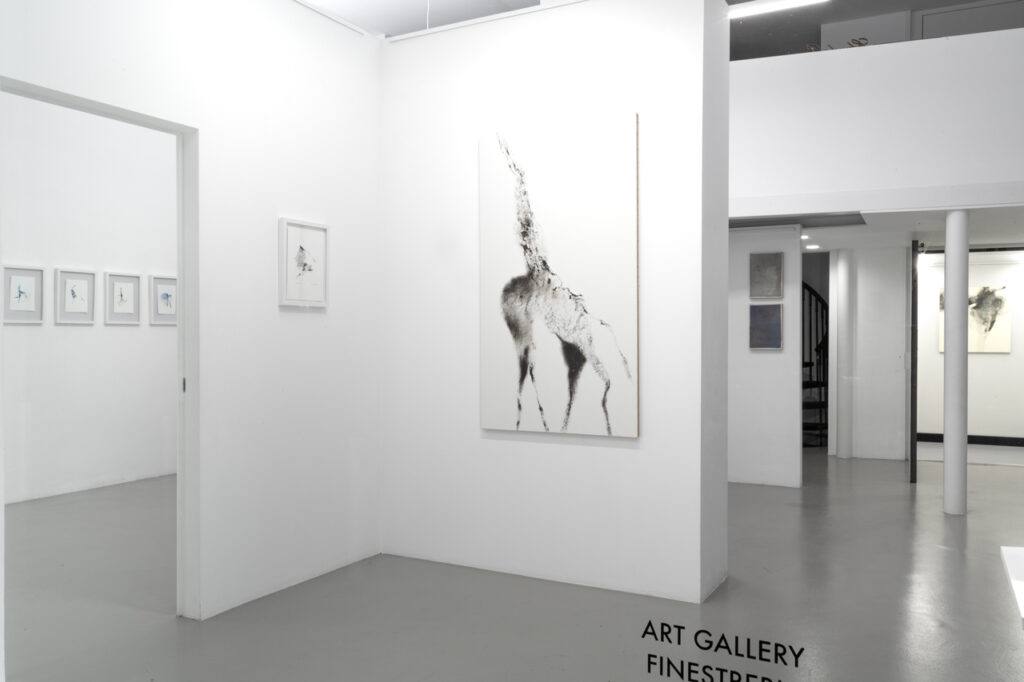
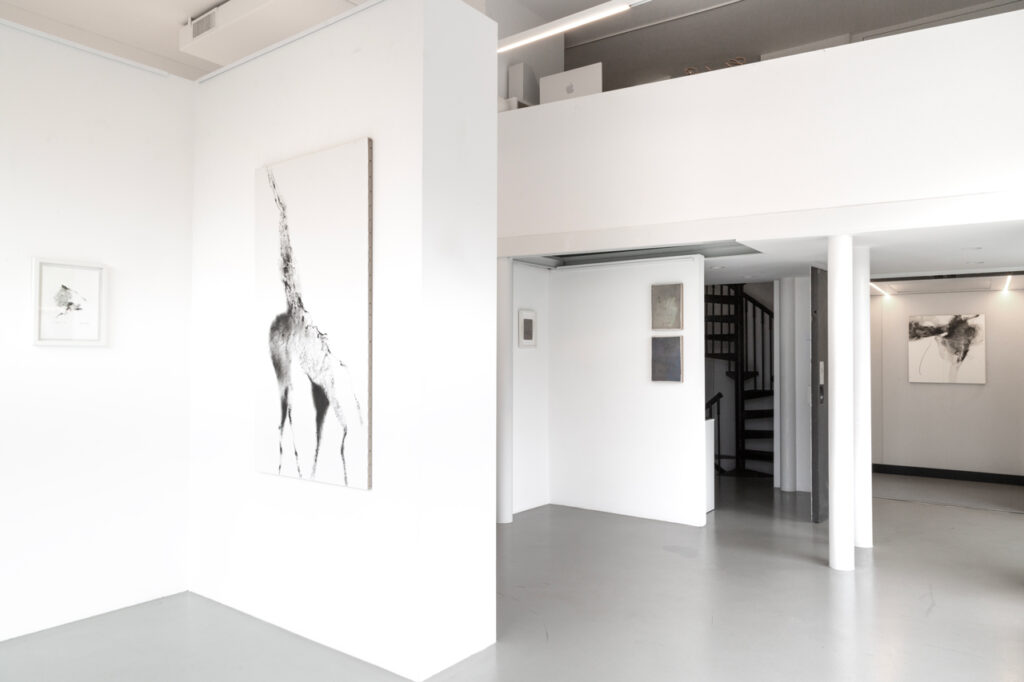
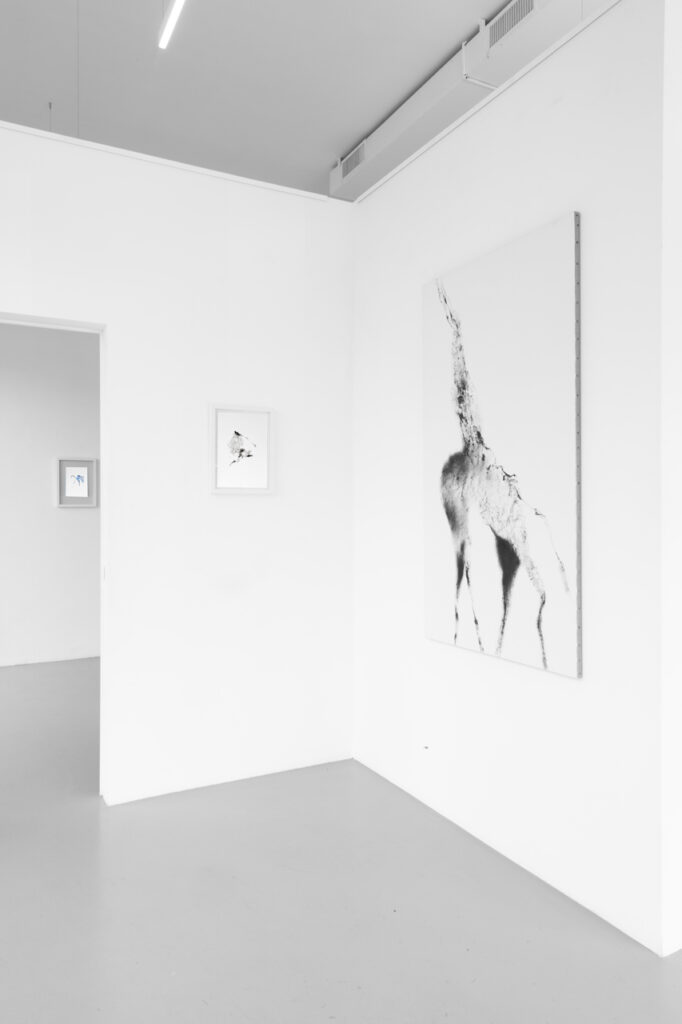
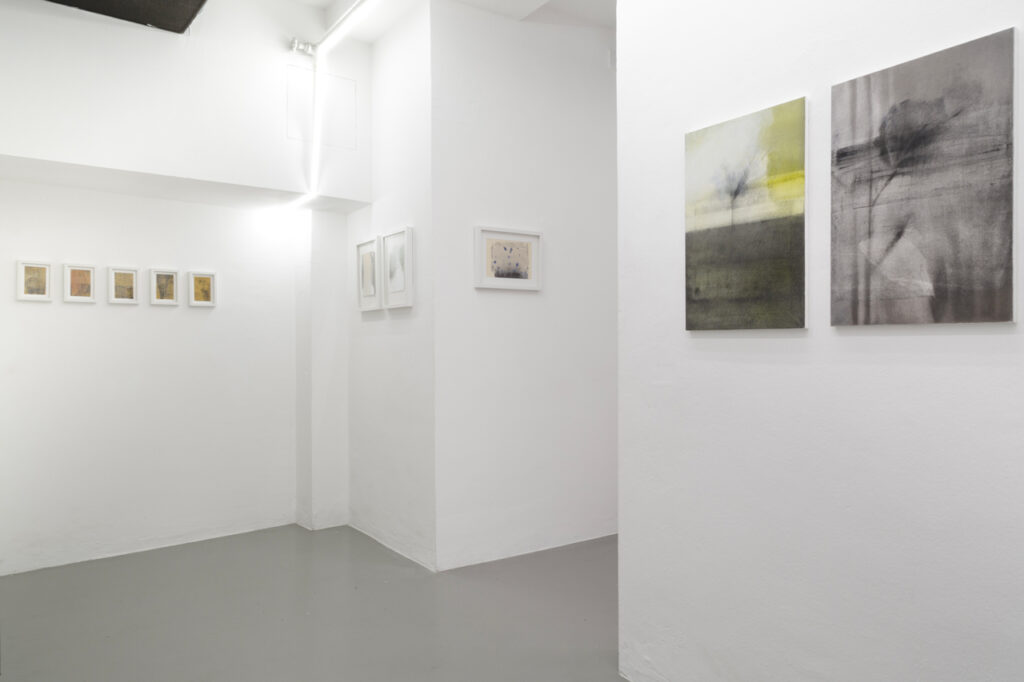
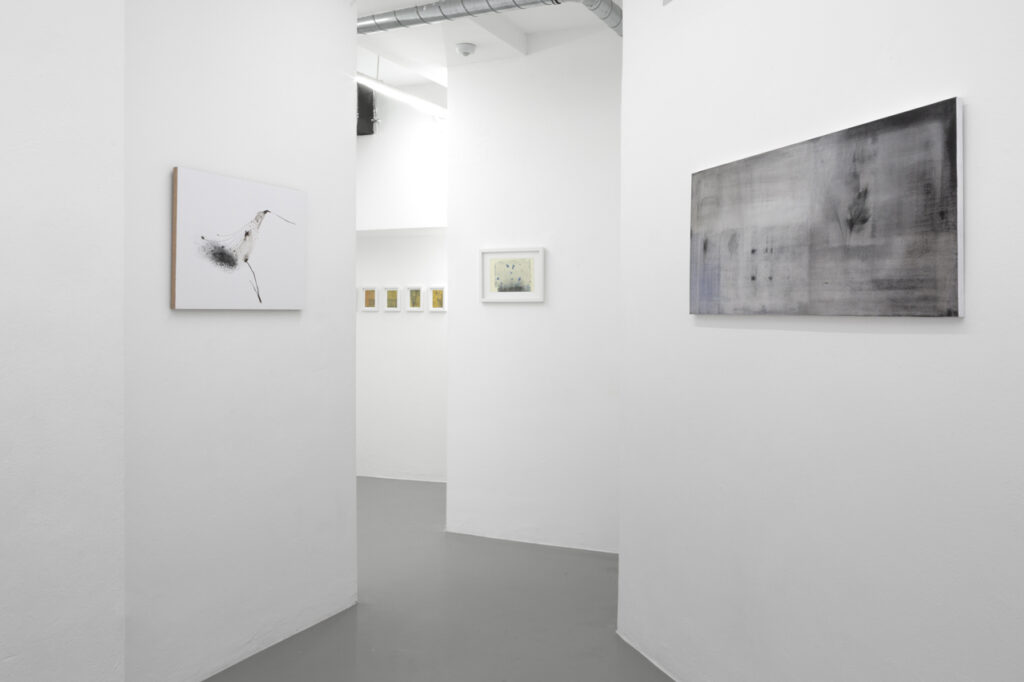
Fra le possibili vie dell’evocazione di immagini, ce n’è una, che accomuna le ricerche di Debora Fella e Mariangela Zabatino, che punta tutto sulla sedimentazione di tracce: frammenti di realtà che vanno a depositarsi nella memoria per essere restituiti trasfigurati nella pittura, e la cui possibile esistenza è tutta esclusivamente interna alla dimensione visiva del medium pittorico, come una vera e propria immersione in un immaginario vegetale e sognante che ha ragione di esistere nella pittura e per la pittura. È una delle vie che tengono più vicine questa pratica artistica alla scrittura: il tracciare segni finché la loro disposizione sul piano non va a costruire un discorso di senso compiuto, sia esso verbale e condotto su un tracciato regolare, o un groviglio più o meno intricato da cui emerge la forma di un oggetto. Il punto, però, è nello statuto ambiguo che questa raffigurazione assume su di sé, e che è tipica della narrazione visiva in genere, e di quella in cui il processo rimane visibile in particolare: se si tratta di una figura colta sul punto di concretizzarsi, fino a una messa a fuoco definitiva che gli conferisca una consistenza tattile, o piuttosto si trovi un momento prima della sua definitiva dissoluzione. È forse da preferire la seconda di queste due opzioni, o almeno porterebbe in questa direzione una riflessione più ampia sul contesto operativo in cui le due artiste si sono formate e le affinità elettive di lungo corso con esponenti delle ricerche aniconiche milanesi degli anni Settanta e Ottanta, dalla lezione di un grande vecchio come Mario Raciti a quella braidense di Italo Bressan, senza trascurare la militanza critica di Claudio Cerritelli, che ha molto pesato nei destini di una certa vocazione astraente in pittura. È proprio nel suo repertorio interpretativo, infatti, che si trova una delle chiavi di lettura utili per leggere in parallelo i percorsi delle due artiste: un modo di intendere la pittura colta nel suo farsi, e che suggerisce un continuo divenire della forma. Oppure, secondo una espressione cara a Raciti, si tratta de “il fare scoperto”, che lascia a vista la stratificazione di operazioni e fasi di lavoro che vanno a costituire l’opera finita. Una realtà dunque in dissolvenza, colta sul punto di scomparire, di sublimarsi in una dimensione trascendente, bruciata dalla luce o abbracciata dall’ombra, ma sempre col sentimento di un transito momentaneo nel campo dell’esistenza.
On Sale
-
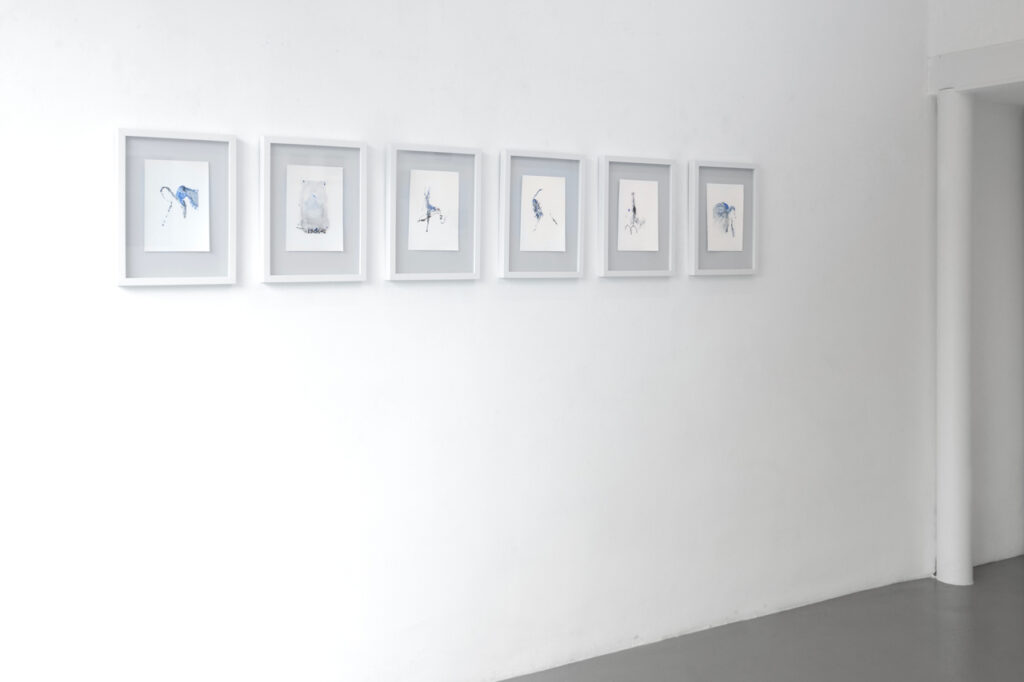
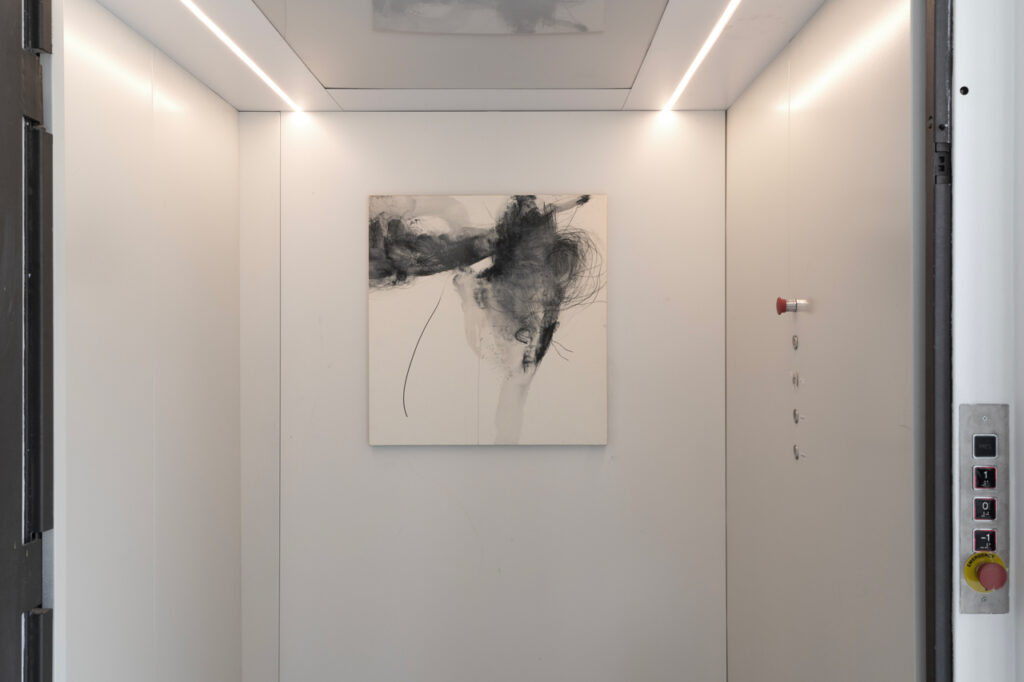
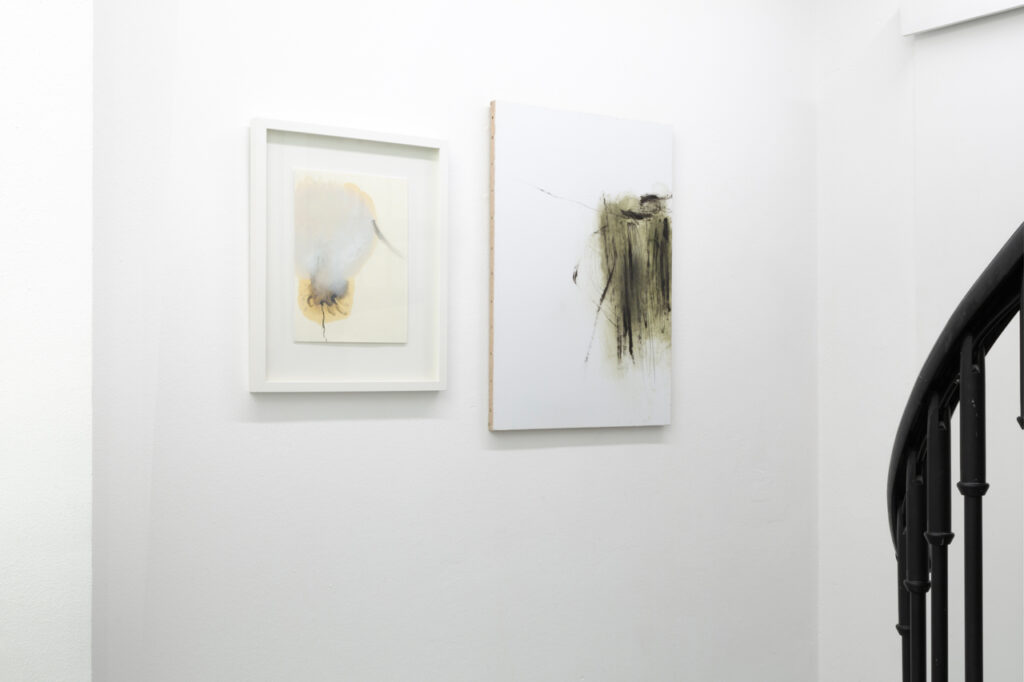
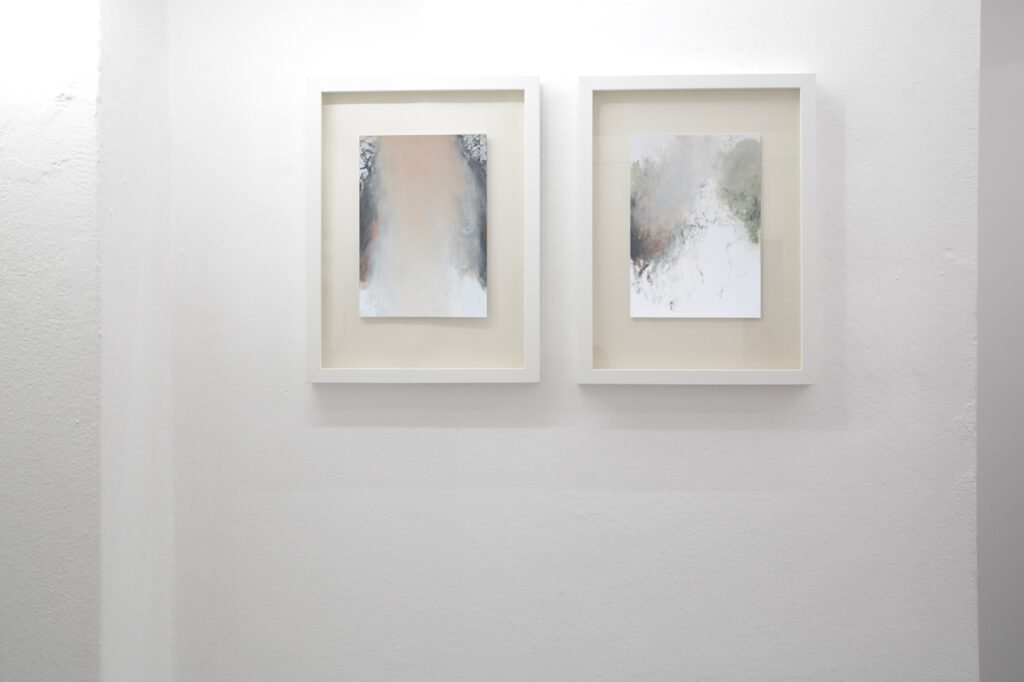
 Mariangela Zabatino Work on paper
 -
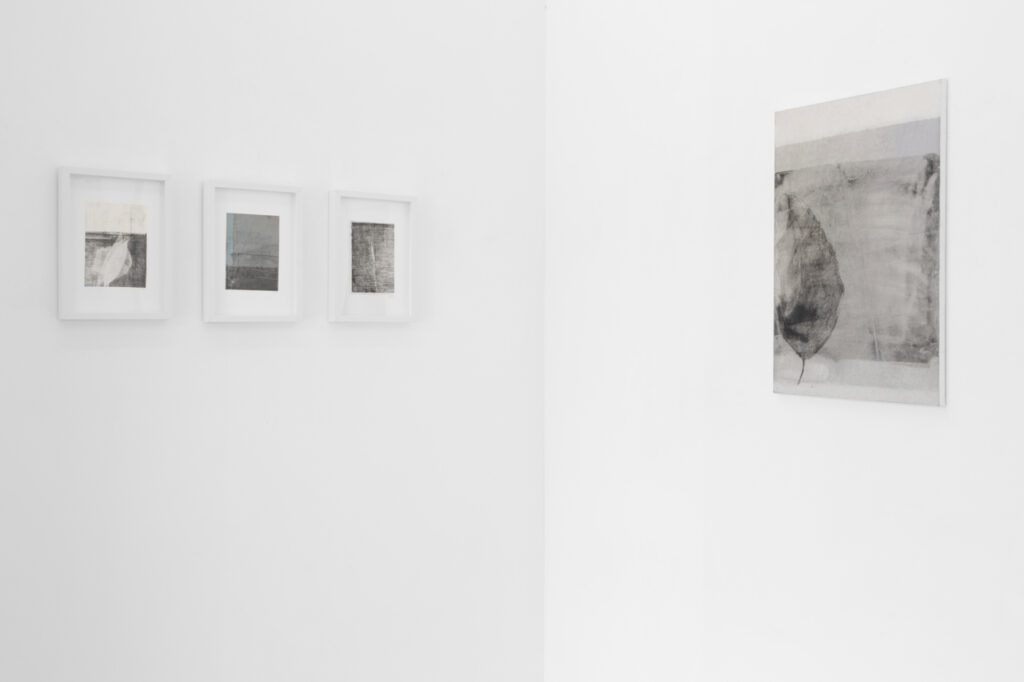
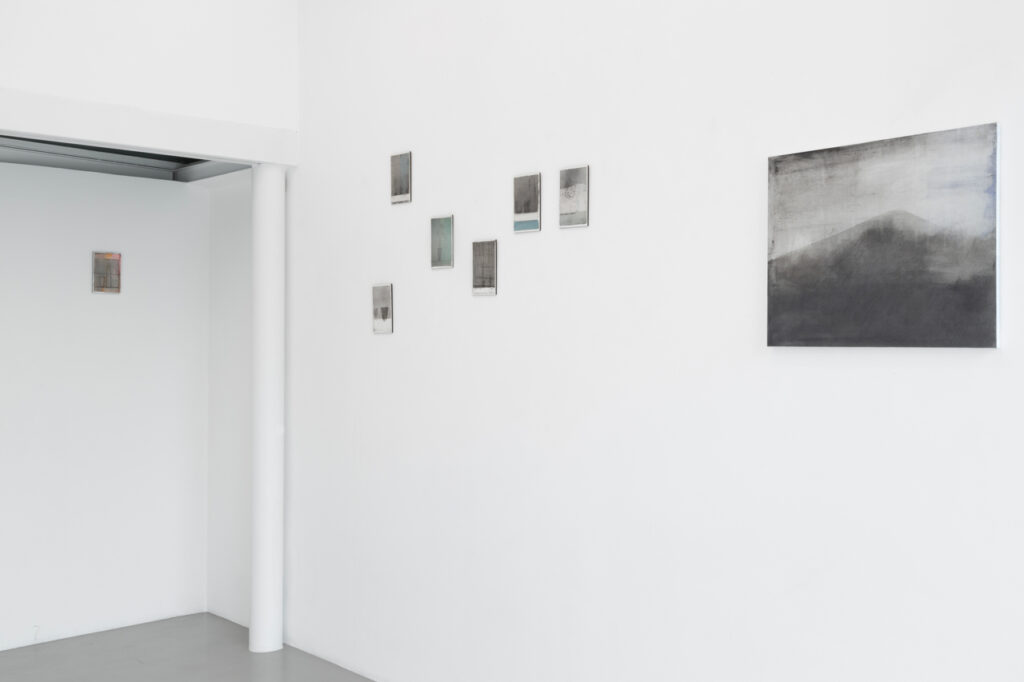
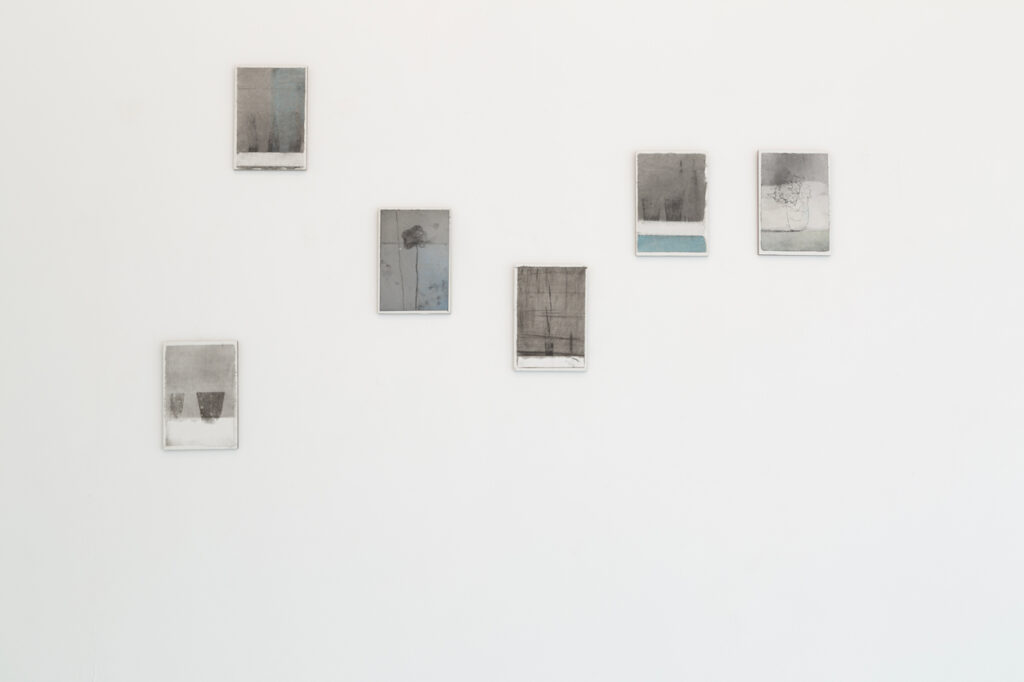
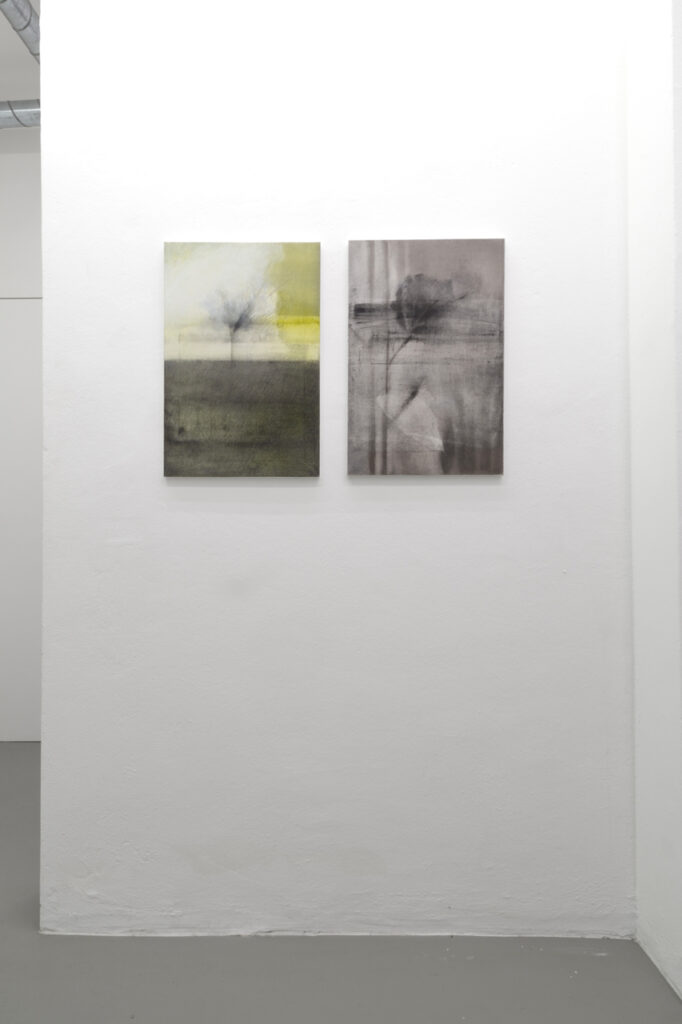
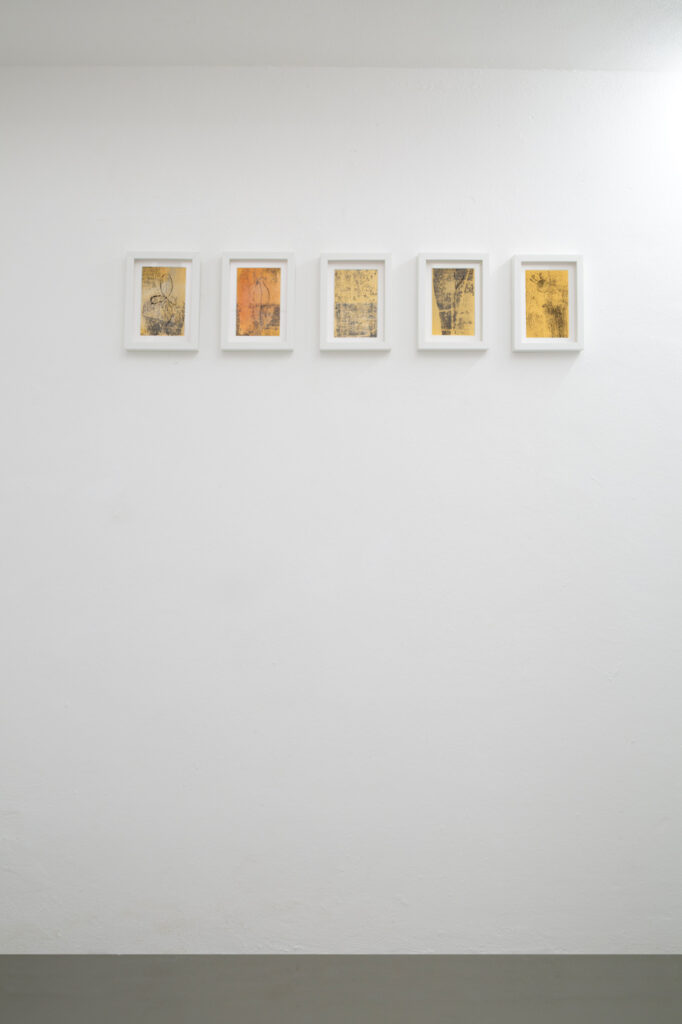
 Debora Fella | Shadow Papers
 -
 Mariangela Zabatino | Tuttigatti (AllCats)
 -
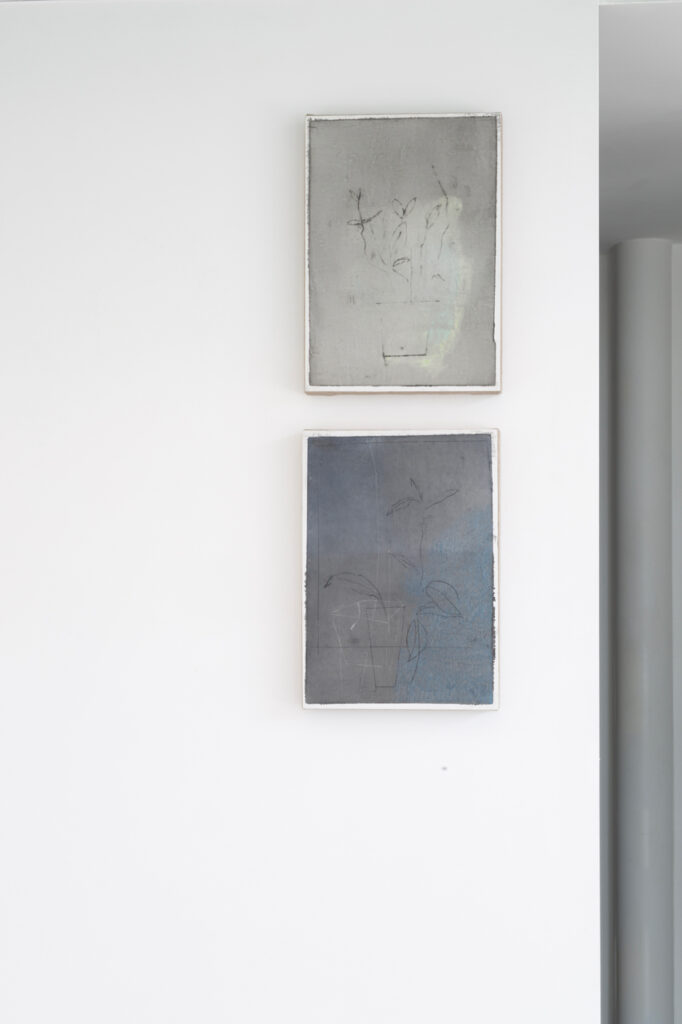
 Debora Fella | Carta pietra su tavola (Stone paper on panel)
 -
 Debora Fella
 -
 Mariangela Zabatino | Resta poco (Little Remains)
 -
 Marinagela Zabatino | Oil pastels
 -
 Mariangela Zabatino | Floating
 -
 Mariangela Zabatino | Tuttigatti (AllCats)
 -
 Debora Fella | Tuttigatti (All Cats)

Dalla parte dell’ombra
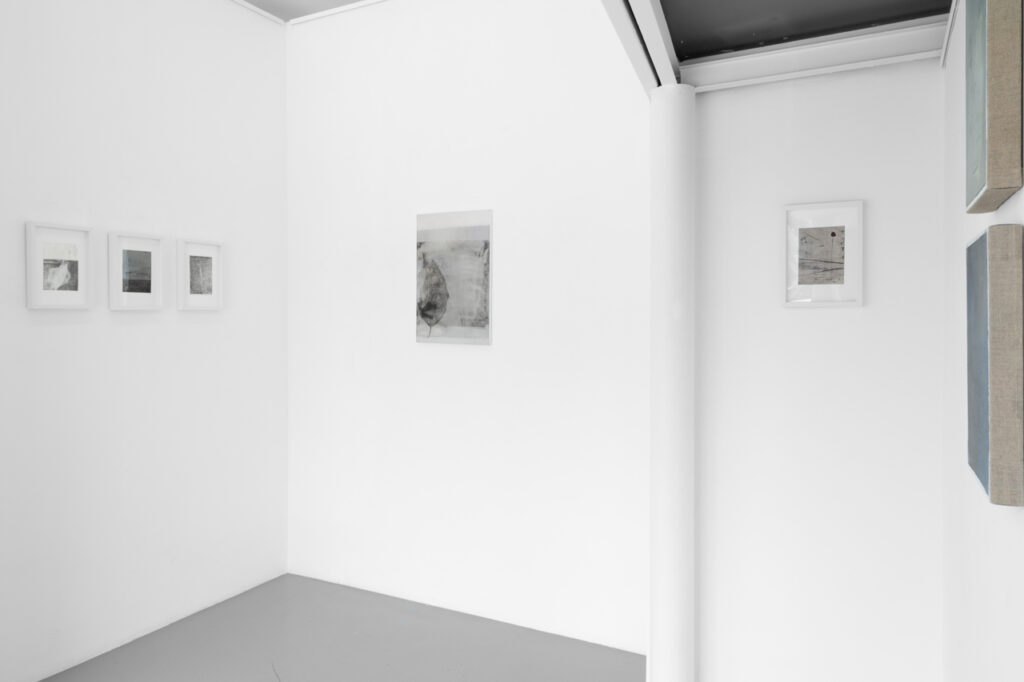
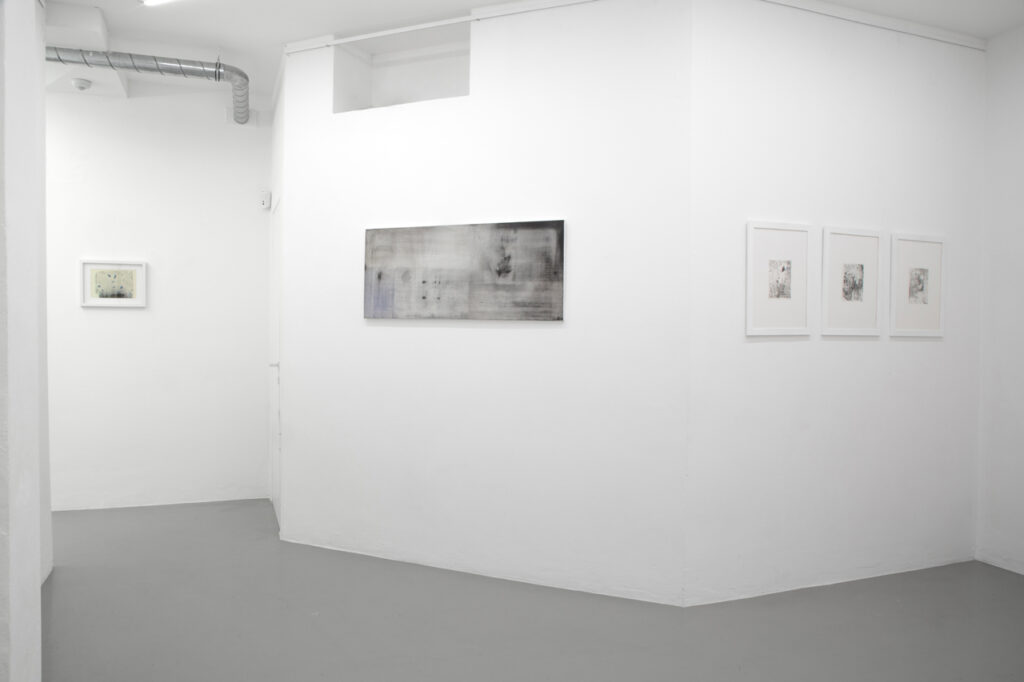
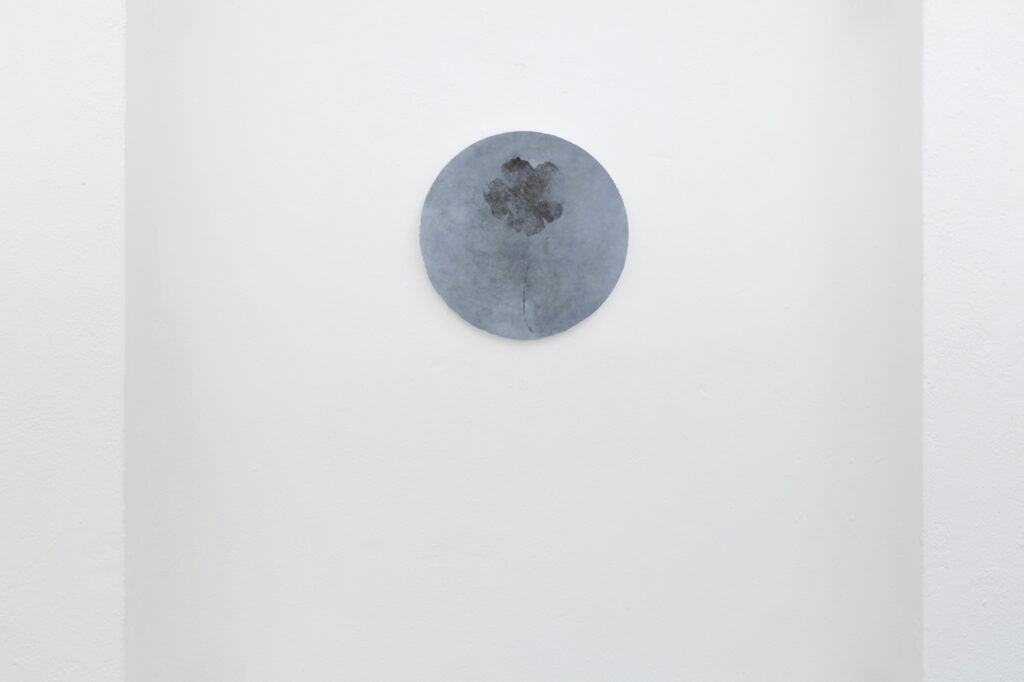
Uno dei titoli ricorrenti nelle opere di Debora Fella è “rêver- ie”: un’allusione ai meccanismi della memoria come momen- to esistenziale, e come tema portante che dà ragione di una ricerca della dissolvenza, o forse meglio di una emersione da bagliori, offuscamenti, oscurità insondabili. La prima apparizione, in fondo, riguarda il segno stesso con cui l’artista traccia le proprie piccole e piccolissime immagini – in una dimensione “da camera” come insegnava Paul Klee – con una tecnica di restituzione indiretta, disegnando tramite la mediazione di un foglio con inchiostro litografico, come in un monotipo, rinunciando al binomio fra segno e scrittura: tracciando su un foglio inchiostrato che imprime una pressione sul supporto definitivo, Debora contempla una lentezza del lavoro e dell’affioramento dell’immagine stessa. Si sarebbe infatti tentati di leggere certe immagini secondo parametri calcografici, e per quanto questa sia un’attività che l’artista non pratica, si direbbe comunque che ragioni come se l’incisione fosse la sua prima occupazione. La consistenza del tratto, infatti, si fa impalpabile, come si fosse formato autonomamente senza mano umana. Debora, del resto, lavora soprattutto per sottrazione, con carte vetrate su carta o con uno straccio intriso di olio e pigmento su tela, andando a velare e cancellare la forma fino a immergerla in un’atmosfera baluginante, da perlustrare palmo a palmo per apprezzare la vibrazione ottica e tonale dei grigi, disseminati talvolta di notazioni di colore. La dimensione memoriale di queste immagini, oltretutto, si esprime probabilmente anche nella stessa scelta del grigio di grafite o dell’antracite come colore di fondo, da cui si discosta soprattutto quando ricorre direttamente al colore della carta. Non a caso, infatti, nel 2020 Italo Bressan – nella cui aula braidense Debora si era formata – parlava di una «apoteosi della solitudine» nel suo lavoro, ponendo l’accento sulla dimensione intima della sua ricerca: un’opera “al nero” che individuava il senso della sua esistenza nell’ombra. L’artista stessa, in quell’occasione, affermava che la piccola misura le è utile «a concentrare le immagini e ad instaurare con esse un rapporto intimo e raccolto». Una scelta, come avrebbe detto Ruggero Savinio, “dalla parte dell’ombra”. È proprio qui, infatti, che si dipanano i suoi minutissimi paesaggi, ma soprattutto il repertorio di campioni vegetali ispirato all’erbario di Libereso, esplicitamente citato nei titoli di alcune opere, ma che informa strutturalmente il concetto stesso di queste immagini: una rassegna paratattica di frammenti estrapolati dalla realtà e depositati fluttuanti sulla pagina. Eppure, visti uno dopo l’altro, i fogli di Debora Fella non danno l’impressione di una catalogazione tassonomica: foglie, fiori e steli si palesano come emblemi che emergono da profondità insondabili, come in un onirico immaginario simbolista. Il piccolo dettaglio si palesa come un’icona, ma non nasconde una natura fragile e transitoria: avanza verso l’osservatore da profondità incalcolabili, ma ferma e chiara nei suoi contorni, fino a diventare motivo lineare sul piano, come appiattito fra le pagine di un trattato. Quel campo bianco che circonderebbe un’illustrazione scientifica, però, qui è colmo di atmosfera. È un occhio, il suo, che si posa sulla vegetazione più umile e la racconta con eleganza senza nulla togliere alla fragilità originaria inghiottita dall’ombra, come nelle ultime ore del giorno, tramontato il sole, prima che cali la notte.
Racconti di segni
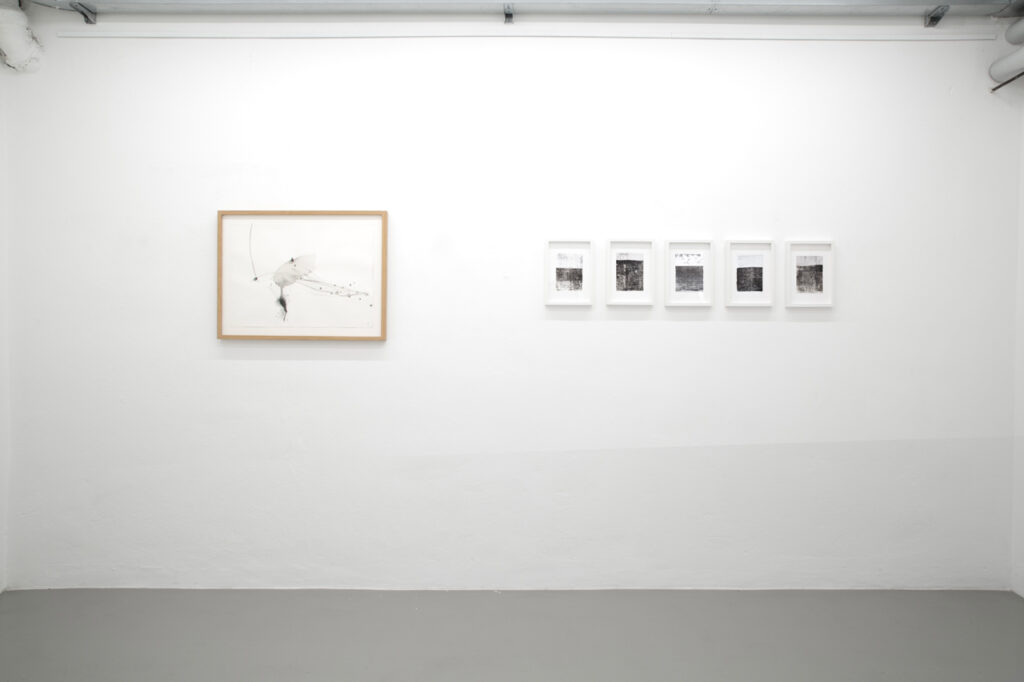
Il segno che attraversa il campo compositivo come una lunga falcata è uno dei mezzi più efficaci per introdurre nelle forme della pittura astratta un elemento narrativo: non è soltanto la registrazione di un istante emotivo che si traduce in pittura, ma un itinerario che si snoda da una parte all’altra del campo compositivo creando una rete di relazioni, portando l’occhio a seguire i movimenti compiuti dalla mano. Ci vuole un gesto semplice e concentrato, per certi aspetti da calligrafia zen, per avvicinarsi senza incertezze al supporto e imprimere una traccia senza esitazione, sapendo bene che una scelta minimale come quella compiuta da Mariangela Zabatino non ammette pentimenti, o correzioni, salvo compromettere la freschezza e il controllo delle naturali irregolarità della materia: saper leggere nella disposizione casuale delle macchie, insomma, la sagoma delle forme naturali, e suggerirne la lenta metamorfosi davanti agli occhi dell’osservatore.
L’immediatezza del tracciato, oltretutto, non sempre corrisponde a un’azione che si consuma in breve tempo, anzi non è infrequente che fra una stesura e la successiva passi un tempo di decantazione più lungo, necessario a far affiorare nella coscienza l’immagine che poi andrà a dare compiutezza alle prime traiettorie. Il lavoro di Mariangela Zabatino poggia integralmente su questo assunto: partire da un segno o, meglio ancora, da un vero e proprio itinerario gestuale, lasciando che nel corso del procedimento si palesi un’immagine. Questo non vuol dire, ovviamente, un abbandono senza riserve alla casualità, ma conoscere le coordinate dei propri movimenti e le forme in essi contenute, dalla macchia alla lunga falcata a braccio teso, alla minuta rotazione di polso che, a seconda dei medium usati, produce dei grovigli più fitti che organizzano il campo di tensioni. In sostanza, Mariangela procede per somma di gesti elementari, che conservano tutta la loro spontaneità primigenia dell’impronta alla prima, lasciando emergere una traccia, con una profonda memoria di natura che può diventare paesaggio o erbario a seconda dei casi, ma sempre in una dimensione diafana e assolata. È qui che la natura minuta, protagonista di molte opere, assume un aspetto dinamico, quasi a palesarsi in una vibrazione del segno e della materia, fra movimenti centrifughi e lente dilatazioni.
Nel 2022 Claudio Cerritelli parlava di una «seduzione aromatica» nei suoi Giardini di Adone, il titolo della mostra allo Studio Masiero di Milano, esemplato forse a sua volta sul titolo di un libro di Marcel Detienne. «Un balsamo», proseguiva il critico, «per attenuare le ombre dell’inconscio». Il punto dirimente, secondo lui, era infatti la sospensione del segno. Su questa base di partenza istintuale si concretizzano poi le immagini, sempre frontali, suggerendo moti di espansione o relazioni tra organismi fluttuanti, fra punti di addensamento della materia, resa talvolta più tattile dall’uso di notazioni cromatiche e di pigmenti ad olio, e voli aerei che percorrono come indicazioni dinamiche lo spazio. A dare una tenuta compatta alla ricerca, infatti, è il rapporto fra la traccia e il bianco dei fondi, come se la dissolvenza dell’immagine avvenisse per via di una sublimazione luminosa.
Milan, 5th May 2025
From Tuesday to Saturday 13 – 19
Art Gallery Finestreria
Via Ascanio Sforza 69, 20141 Milano

